
Amazon Flex
Amazon Mobile LLCBusiness
4.57.24K Reviews
- Version
- 3.145.2.46.0
- Installs
- 5.00M
- Age Rating
- Everyone
Screenshots
Our Review of Amazon Flex
 Analysis by Appyee
I’d judge Amazon Flex less like a conventional business tool and more like a work app: its value depends on whether delivery shifts fit your life, vehicle and local routine. The app is free, which makes trying it different from paying upfront for a business platform, but free access alone does not make each block worthwhile. I’d weigh the offered earnings against travel, fuel, time and the practical effort of completing a route.
What free access does—and does not—tell you
Amazon Flex is a free business app from Amazon Mobile LLC. That means there is no app purchase price to weigh against its usefulness. It does not, by itself, settle whether the work is a good deal: the return depends on the blocks available to you and the costs of driving your own vehicle. I’d treat the absence of an app fee as a low barrier to exploring the opportunity, not as a promise of easy income.
The app has an average rating of 4.5 from around 83,000 ratings, and it has been installed over five million times. Those figures suggest that many people have tried it, but they can’t tell you whether blocks are plentiful in your area or whether a particular route suits your circumstances. It is rated for Everyone, and the current version is 3.130.4.1.0, with Android 12 as the minimum operating system requirement. The age rating is about the audience for the app, not a guide to the demands of delivery work.
Where the app earns its place
Its main practical value is putting delivery work and block decisions in one place. You can see an offered block’s stated pay before choosing whether to take it, then use the app during the delivery process. That can be more convenient than trying to coordinate separate tools for accepting work and keeping track of package and customer details. The key is to judge the whole block, rather than focusing only on the amount shown: getting to a pickup point, completing the route and returning to your normal routine all take time.
A rating average of 4.5 across around 5,100 reviews is another useful point of context, not a guarantee that the experience will be smooth for every driver. The app is free to install, but your car’s fuel and wear are real costs. I’d compare a block with the money and time it actually demands, and I wouldn’t assume the same calculation works from one neighborhood or day to another.
The Setup
First things first, downloading the Amazon Flex app is a breeze. It's available on both Android and iOS, so no worries there. Once you’ve got it installed, you’ll need to sign up and go through a short onboarding process. This involves background checks and setting up your payment preferences. It's pretty straightforward, and Amazon does a good job guiding you through it.
Understanding the Gig
With Amazon Flex, you’re essentially an independent contractor. You pick up packages from Amazon facilities and deliver them to customers. What’s cool is that you can choose your own hours. Want to work a few hours in the morning and take the afternoon off? No problem! The flexibility is a huge draw for many people.
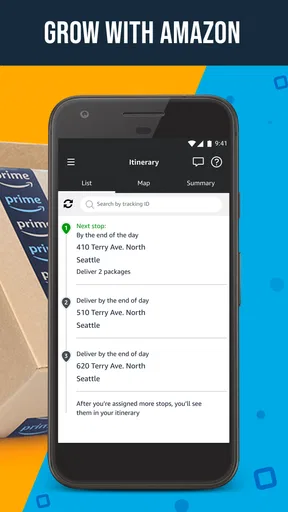
Once you're signed up, you can start grabbing delivery blocks. These are set periods where you’ll be delivering packages. The app lets you know how much you'll earn for each block, so you can decide if it's worth your time. It’s a neat way to have control over your schedule and earnings.
Making a block fit a real day
That choice is most useful when you connect it to a specific plan rather than treating every available block as automatic income. Imagine you have a free morning, a full tank and a clear idea of when you need to be back for another commitment. You can look at the offered pay, consider the block length and decide whether the pickup and delivery work fit the rest of your day. If the route could leave you far from home, include that return trip in your mental calculation instead of counting only the scheduled delivery period.
A practical habit is to keep a simple record outside the app of the time you spend getting to pickup, delivering and getting back, alongside fuel and other driving costs. This gives you a more realistic picture than the block’s headline amount alone. It also helps you compare different days without assuming that a smooth suburban route and a stop-heavy urban one take the same effort.
Flexibility here means choosing among available blocks; it does not mean being able to reshape a block after accepting it around every personal preference. I’d avoid taking one just because its hours look convenient if you have a hard appointment immediately afterward. A delivery run can involve more uncertainty than a fixed desk shift, so leaving breathing room is part of making the schedule genuinely useful.
On the Road
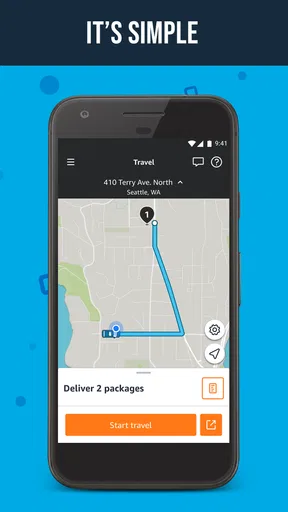
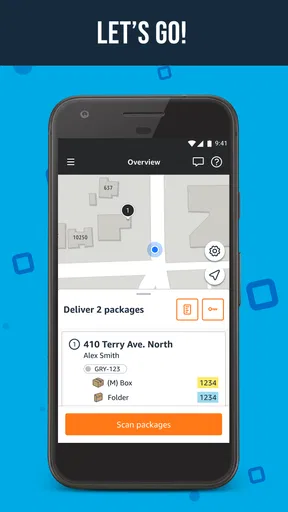
Now, let’s talk about the actual delivery experience. The app provides you with all the necessary details: the route, package details, and customer information. The interface is user-friendly, and I found the navigation to be pretty reliable. There were a couple of times when the GPS acted up, but nothing too frustrating.
Delivering packages can be a mixed bag. Sometimes you're dropping off at a bustling city apartment, and other times it’s a quiet suburban home. The variety keeps things interesting, and if you enjoy driving and exploring new areas, you’ll probably enjoy this aspect.
Small habits that reduce route friction
Route navigation is helpful, but I wouldn’t let the screen replace basic preparation. Before setting off, I’d make sure the phone is charged, the route is visible and the packages can be handled in a way that makes the next stop easy to identify. That is especially useful when stops are close together or a building has an entrance that is not obvious from the street. A few seconds of organization at the start can prevent repeated searching while parked.
Apartment deliveries deserve a different pace from house drops. Parking, building access and locating the right entrance can consume time even when the map’s directions are accurate. I’d allow for that when judging a route and avoid treating a navigation estimate as a guarantee. If GPS becomes confusing, pausing somewhere safe to recheck the address is better than trying to sort it out while driving.
There is also a useful distinction between enjoying the drive and enjoying the work. A scenic or unfamiliar route may be pleasant, but repeated stops, carrying parcels and dealing with access details are still part of the job. If you prefer uninterrupted driving, a courier route may feel more fragmented than you expect; if you like a sequence of small tasks and changing locations, that same variety may suit you.
Getting Paid
This is where Amazon Flex shines. You get paid twice a week via direct deposit. The payment is clear, and the app shows you exactly how much you’ve earned, which is super transparent. You can make a decent side income, but it really depends on how many hours you’re willing to put in and the availability of delivery blocks in your area.
How to judge the return fairly
For me, the useful comparison is not simply “block pay versus no pay.” It is the block’s stated earnings against the full time and costs involved. Fuel is the obvious expense, but frequent driving also adds wear to a personal vehicle. Parking and traffic can change how demanding a route feels, while the trip to and from a pickup point can make a short-looking commitment occupy more of the day than expected.
That is why I would not use a single successful block to forecast dependable weekly income. The app can show what a particular block pays, but the number of suitable blocks available to you can vary. Keeping your own notes on time and driving costs helps you decide whether the work is worthwhile over several outings, rather than relying on a good or bad day as the whole story.
Challenges Along the Way
Of course, no gig is without its challenges. Traffic can be a pain, especially during peak hours. And sometimes, finding parking in crowded areas can be a bit of a hassle. Also, remember that you're using your own vehicle, so factor in the wear and tear and fuel costs.
Another challenge is the competition for delivery blocks. In areas with lots of drivers, it might be tougher to snag the hours you want. You’ll need to be quick and keep an eye on the app to grab those blocks as soon as they’re available.
How it compares with other work options
Compared with a conventional job that assigns regular shifts, this setup offers more choice over when you try to work, but less certainty that the exact hours you want will be available. Compared with other driving or courier gigs, the distinctive appeal is that blocks, delivery details and earnings are handled through Amazon’s own app. That may feel more straightforward if you specifically want Amazon package deliveries; it is less attractive if your priority is choosing among different kinds of tasks or avoiding reliance on one source of work.
A standard part-time role can be a better fit if you need predictable hours and a known routine. Another delivery option may make more sense if its work is closer to home, its schedule suits you better or its costs work out more favorably for your vehicle. I wouldn’t assume that any one app wins everywhere: local demand and the routes you actually get matter more than a general comparison.
Who is likely to get value
I’d consider it for someone who already has a suitable vehicle, enjoys driving, can handle delivery stops and wants to fit occasional work around other responsibilities. It may also suit a person who prefers seeing a block’s stated pay before deciding whether to accept it. The strongest use case is supplementary work when an available block fits a day that is otherwise open, not treating the app as a guaranteed replacement for stable employment.
I’d skip it if you do not want to use your own car for work, need a fixed weekly schedule, dislike city parking or cannot absorb vehicle expenses. It is also a poor match if you have no room for delays between a delivery run and an important commitment. The app can make the process more organized, but it cannot remove the physical demands of driving and delivering.
Final Thoughts
Overall, Amazon Flex offers a solid opportunity for those seeking flexible work hours and a chance to earn some extra cash. It’s perfect if you like the idea of being your own boss and enjoy driving. While there are some challenges, the freedom to set your own schedule is a huge plus.
If you’re thinking about giving it a try, make sure you’re prepared for the ups and downs of driving and delivering. But hey, if you're okay with that, Amazon Flex might just be the gig you’ve been looking for!
My recommendation is to approach it as a trial of fit, not as a promise of a particular income. Since the app itself is free, the decision is less about paying to download it and more about whether the available work makes sense after your time and vehicle costs. I’d start cautiously, evaluate how a real route affects the rest of the day, and keep going only if the practical return and driving routine suit you.
Privacy and Permissions
See what permissions an app requests and how it handles your data.
- Identity
- add or remove accounts
- Location
- approximate location (network-based), precise location (GPS and network-based)
- Phone
- directly call phone numbers, read phone status and identity
- Photos/Media/Files
- read the contents of your USB storage, modify or delete the contents of your USB storage
- Storage
- read the contents of your USB storage, modify or delete the contents of your USB storage
- Camera
- take pictures and videos
- Microphone
- record audio
- Wi-Fi connection information
- view Wi-Fi connections
- Device ID & call information
- read phone status and identity
- Other
- view network connections, create accounts and set passwords, pair with Bluetooth devices, access Bluetooth settings, send sticky broadcast, change network connectivity, allow Wi-Fi Multicast reception, connect and disconnect from Wi-Fi, control flashlight, full network access, change your audio settings, control Near Field Communication, run at startup, draw over other apps, use accounts on the device, control vibration, prevent device from sleeping
Verdict
Strengths of Amazon Flex
- Flexible work hours for better work-life balance.
- Direct deposit payments are timely and reliable.
- Opportunity to earn extra income easily.
- User-friendly app interface for route navigation.
- No long-term commitments or contracts.
Limitations of Amazon Flex
- Limited availability in smaller cities.
- No compensation for gas or vehicle wear.
- Potential for package theft or delivery issues.
- Inconsistent job availability during low demand.
- No benefits like health insurance or PTO.
Other Releases by Amazon Mobile LLC
View All
MX Player
Video Players & Editors4.2

Amazon Shopping
Shopping4.4

Prime Video
Entertainment4.7

Prime Video
Entertainment3.1
Similar Picks in This Category
View All
LinkedIn: Community & Network
LinkedIn3.8

Zoom Workplace
zoom.com4.1

Microsoft Teams
Microsoft Corporation4.6

Meta Business Suite
Meta Platforms, Inc.4.6

Webex Meetings
Cisco Systems, Inc.4.5

TeamViewer Remote Control
TeamViewer4.4
Frequently Asked Questions
What is Amazon Flex and how does it work?
Amazon Flex is a delivery program that allows individuals to deliver packages for Amazon using their own vehicles. Drivers, known as delivery partners, can earn money by delivering packages within a specified time window. The app provides navigation and instructions for each delivery, making it easier to manage routes and schedules effectively.
How do I become an Amazon Flex driver?
To become an Amazon Flex driver, you need to download the Amazon Flex app and create an account. You'll then complete a series of steps, including background checks and providing necessary documentation like your driver’s license and insurance. Once approved, you can start scheduling delivery blocks that fit your availability.
What are the requirements to drive for Amazon Flex?
Drivers must be at least 21 years old and have a valid driver's license. You need an eligible vehicle, such as a midsize sedan or larger, and proof of auto insurance. A smartphone is necessary to use the Amazon Flex app for navigation and delivery instructions. Background checks are also part of the application process.
How is payment structured in Amazon Flex?
Amazon Flex drivers are paid based on delivery blocks, which typically range from $18 to $25 per hour. Payment is made via direct deposit and is usually processed twice a week. The exact rate can vary depending on location, the number of packages, and the time required to complete deliveries.
What are the pros and cons of working with Amazon Flex?
Pros include flexible work hours, the ability to choose delivery blocks, and competitive pay. You can work independently without a boss overseeing your every move. However, cons include wear and tear on your vehicle, fluctuating demand affecting income stability, and the need to manage your own expenses such as fuel and maintenance.
